How to Dispose of Bulky Items More Economically
How to Dispose of Bulky Items More Economically
Disposing of large, bulky items such as old furniture, appliances, mattresses, and construction debris can be a challenging and expensive task if you don't know the best strategies. Fortunately, there are a variety of affordable and even cost-free solutions to get rid of these unwanted possessions in an eco-friendly and economical manner.
In this comprehensive guide, you'll discover a range of practical methods on how to dispose of bulky items more economically to save both money and effort while ensuring minimal impact on the environment.

Understanding Bulky Waste: What Qualifies as Bulky Items?
To start with, it's essential to identify what is considered a bulky item. These are typically large household objects that cannot fit into regular curbside trash bins or bags due to their size or weight. Bulky items commonly include:
- Old sofas, couches, and recliners
- Beds, box springs, and mattresses
- Large appliances (refrigerators, ovens, washing machines, dryers)
- Furniture pieces (wardrobes, dressers, tables, chairs)
- Yard waste (branches, logs, stumps)
- Electronic waste (TVs, monitors)
- Carpets and rugs
- Construction debris (drywall, toilets, sinks)
Understanding what constitutes bulky waste helps you determine the best--and most economical way to dispose of bulky items in your area.
Why Is Bulky Item Disposal So Expensive?
Many municipal waste collection services don't accept oversized belongings as a part of their routine pickup. Private junk removal services often charge premium rates based on the item volume, distance, or the need for special handling and recycling. These costs can add up quickly, turning bulky waste disposal into a costly problem for homeowners and renters.
Main Factors That Impact Cost:
- Item Size and Weight: Larger/heavier items require more handling and transportation resources.
- Type of Material: Specialized disposal for electronics, hazardous waste, or appliances with refrigerants often commands an additional fee.
- Distance: Hauling to distant landfills or recycling facilities increases fuel and labor costs.
- Local Regulations: Some towns impose extra disposal fees or mandate recycling, raising overall costs.
How to Dispose of Bulky Items More Economically: Cost-Saving Strategies
Let's explore practical, low-cost, and sometimes free options that anyone can use to dispose of bulky items affordably.
1. Utilize Municipal Bulky Waste Pickup Programs
Many cities offer free or low-cost bulky item collection programs for residents. These are often scheduled either:
- On specific days of the month
- By appointment on request
- During special spring or fall clean-up weeks
Check your local municipality or public works department website. You may need to register in advance or place items curbside following certain guidelines (e.g., removing refrigerator doors, labeling electronics).
Pro Tip: Plan ahead--if you can wait for city collection days, it's almost always the cheapest way to dispose of bulk waste.
2. Leverage Free Online Marketplaces
One person's trash is another person's treasure! Avoid landfill fees and potentially even earn some extra cash by listing your bulky items on platforms such as:
- Facebook Marketplace
- Craigslist "Free" or "For Sale" sections
- OfferUp
- Nextdoor
Even non-working appliances, old furniture, or broken items may be valuable to hobbyists, upcyclers, or scrappers. Make listings attractive with clear photos, honest descriptions, and an emphasis on free curbside pickup to minimize your effort.
3. Donate to Charities and Non-Profits
Many local charities, thrift stores, and shelters accept donations of usable bulky items, including furniture and appliances. Organizations such as:
- Habitat for Humanity ReStores
- The Salvation Army
- Goodwill
- Local church outreach programs or shelters
Often provide free pickup services for qualifying donations. Not only do you save on disposal costs, but you may also be eligible for a tax deduction.
Be sure to call ahead, as donation centers may refuse stained, broken, or hazardous items.
4. Try DIY Hauling--Direct to the Dump or Recycling Center
If you own or can borrow a truck or trailer, transporting bulky items yourself is often cheaper than hiring professional junk removal services. Search for the nearest municipal or private landfill, transfer station, or recycling center. Fees are typically based on weight or a flat drop-off rate.
- Bring proof of residence--some dumps have discounted rates for locals.
- Check rules on accepted items; some centers won't take electronics or hazardous waste.
- Sort materials (e.g., metal, wood, electronics) to access potential recycling rebates.
5. Join Local "Freecycle" and Swap Events
Communities often host free exchange events (sometimes called "swap days" or "freecycle") where residents can drop off large items for others to claim, completely free of charge. These events not only save you money on disposal costs but also keep valuable resources out of the landfill.
Check local event listings, library boards, or environmental group newsletters for upcoming opportunities.
6. Repurpose, Reuse, or Upcycle Bulky Waste
Get creative and turn junk into treasure! Many bulky items can be repurposed within your own home or given a second life:
- Old doors and windows become tables or headboards
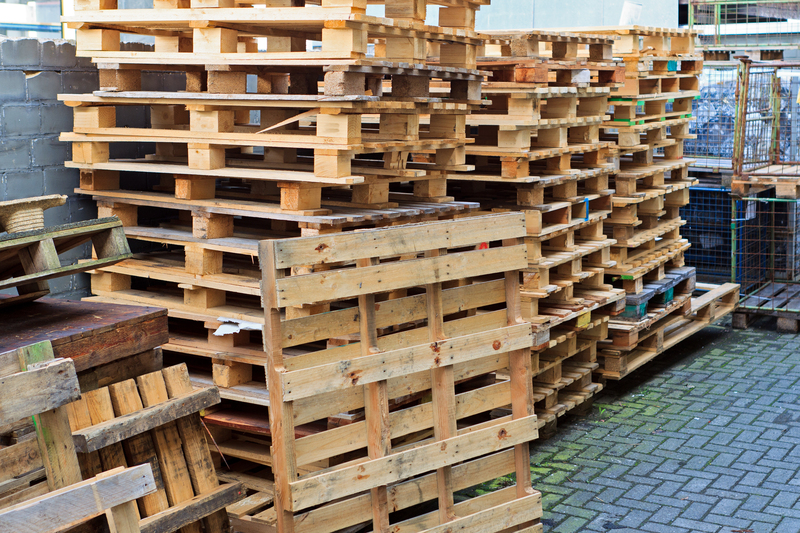
- Wood pallets can be transformed into garden furniture
- Broken appliances may be harvested for parts or scrap metal
- Fabric and foam from mattresses can be reused in DIY projects
- Planter boxes made from dresser drawers
Upcycling not only saves money but can even add value and personality to living spaces.
Tips to Minimize Bulky Waste Costs Overall
Bulk Waste Disposal Dos and Don'ts
- DO: Research your city's rules and schedules for bulk trash pickup before discarding large items.
- DO: Ask friends and neighbors if they need what you're throwing away, or offer items via community boards.
- DO: Disassemble large items (e.g., furniture, beds) to fit more in your vehicle or container, saving on hauling costs.
- DO: Remove hazardous components or liquids from appliances (like old fridges) before disposal if required by local law.
- DON'T: Dump bulk waste illegally ("fly-tipping")--fines are often much higher than disposal costs, and it harms the environment.
- DON'T: Assume all items can go in the landfill; many electronics or mattresses have specific recycling laws.
Cost Comparison: Disposal Options for Bulky Items
| Disposal Method | Average Cost | Pros | Cons |
|---|---|---|---|
| Municipal Pickup | Free to Low-Cost | Convenient, reliable, environmentally friendly | Limited list of accepted items, schedule restrictions |
| Online Sale/Donation | Free to Inexpensive | Free or may profit, reduces landfill waste | Requires time/effort, donation centers may decline some items |
| DIY Hauling | Low to Moderate | Flexible timing, potential for recycling rebates | Requires truck/trailer & labor, dump fees vary |
| Junk Removal Service | High | No physical effort, fast | Most expensive, not eco-friendly unless specifically requested |
| Free Events/Swaps | Free | Zero cost, community benefit | Event timing is limited, availability varies |
Special Notes: Bulky Item Disposal by Category
How to Dispose of Old Appliances Cheaply
- Many city utility companies offer rebates or free pick up for working refrigerators or freezers.
- Scrap metal dealers may take unwanted appliances, sometimes for free--or pay you for the metal.
- Non-working appliances may be suitable for DIY parts-harvesting or creative recycling.
Mattress and Box Spring Disposal Tips
- Some mattress retailers provide haul-away service for old mattresses with purchase of a new set--always ask for deals.
- Mattress recycling centers exist in many states--often cheaper than landfill fees.
- Local charities may accept lightly used mattresses in good condition.
Furniture Removal for Less
- Disassemble items to fit more compactly in your vehicle or for curbside pickup.
- List gently used sofas, tables, or chairs as "free for pickup today" on social networks.
- Paint or refinish to increase the likelihood of your item being claimed or sold.
Environmental Impact: Why Economical Disposal Matters
Choosing cheaper ways to dispose of bulky items almost always aligns with greener outcomes. Items given away, recycled, or upcycled stay out of landfills and reduce demand for new raw materials. Communities are healthier, cleaner, and less reliant on expensive waste management systems.
Frequently Asked Questions About Disposing of Bulky Items Affordably
Can bulky waste be recycled?
Yes! Many bulky items--metal appliances, electronics, wood furniture, even mattresses--have recycling programs. Always check your local recycling guidelines, as these services are often cheaper than regular trash disposal.
How often can I use municipal bulky waste pickup?
This varies by city. Some allow yearly, biannual, monthly, or even scheduled-on-demand pickups. Learn your local rules to take full advantage of economical large item removal.
What items will junk removal companies not accept?
Generally, hazardous materials (like paints or chemicals), tires, and very large construction waste may not be accepted. It is always wise to clarify with the company beforehand.
Conclusion: Save Money and the Planet with Proper Bulky Item Disposal
Disposing of bulky items economically does not have to be confusing or costly. By using a combination of local pickup programs, creative reuse, donation, community events, and DIY drop-offs, you can save money, reduce landfill waste, and help your community.
Remember: Always research your local options first, and when possible, give your large waste a second life through donation or recycling. Not only will your wallet thank you--but so will the environment.
The next time you face a garage clean-out, renovation, or just need to get rid of old household items, use these affordable strategies for bulky item disposal and experience the satisfaction of economic and eco-friendly decluttering!